Fuelling the Fells: Top Nutrition Tips for the 13 Valleys Ultra Series by VOOM Nutrition
Whether you're lining up for the introductory 2 Valleys Trail (22km), stepping up to the 5 or 7 Valleys, or tackling the full 180km, multi-day 13 Valleys Ultra through the Lake District's fells and lakesides, your race-day nutrition plan can make or break your finish. Here's how to fuel smart for any distance in the series.
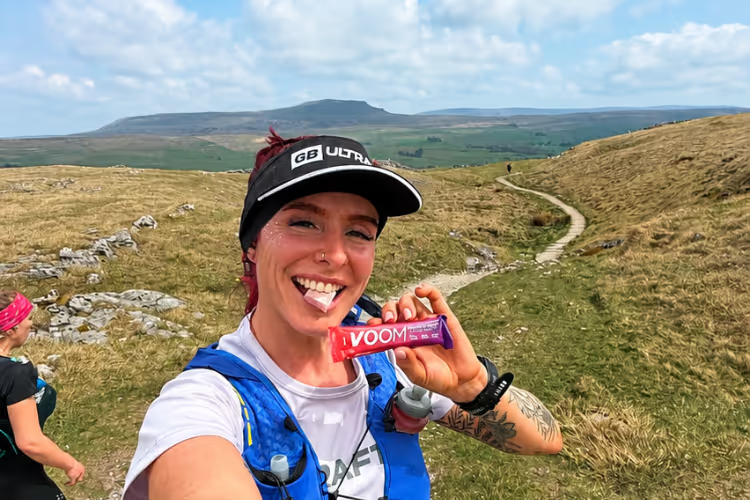
Match your fuelling to your distance.
The four events in the series demand very different nutrition strategies:
- 2 Valleys Trail (22km): A single Pocket Rocket or two, plus water, may be all you need, but don't skip fuelling just because it's the "short" option, especially with the Lake District's climbs.
- 5 Valleys (55km) and 7 Valleys (110km): These are where carbohydrate strategy really starts to matter. You'll be running for several hours to the best part of a day, so a structured carbs-per-hour plan is essential.
- 13 Valleys (180km): This multi-hour, likely overnight effort is as much about sustained fuelling and electrolyte management as it is about fitness. Expect to eat "real food" at aid stations as well as sports nutrition products, and plan around the 12 or so feed stations along the route.
Get your carbohydrate intake right, and train your gut for it.
A common cause of late-race fade is under-fuelling. Muscle glycogen stores only last around 90 minutes, so for anything beyond that you need to be taking in carbohydrate throughout, typically in the region of 30–90g per hour depending on your experience, gut tolerance, and how well-trained your gut is at absorbing carbs. Practise your race-day fuelling in training long before race day; the last thing you want is to discover a new gel or bar disagrees with you 60km into the 7 Valleys.
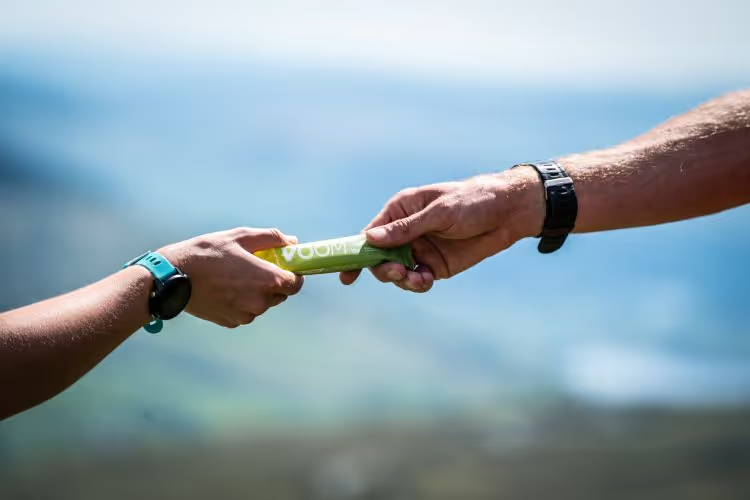
Don't underestimate hydration and electrolytes.
The Lake District in late September can throw anything at you, warm, humid days or driven rain and wind on exposed fell tops, often within the same event. Sweat rate and sodium loss vary hugely between individuals, so a generic "drink when thirsty" approach isn't enough for the longer distances. Build a fluid and sodium plan around your own sweat profile, the conditions, and your pace, and adjust it station to station rather than sticking rigidly to a pre-race number.
Plan around the aid stations, but don't rely on them entirely.
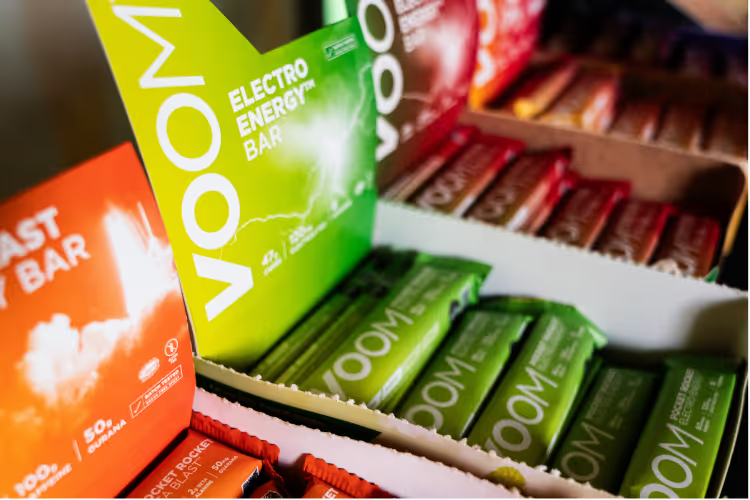
The 13 Valleys Ultra's brilliant feed stations offer a wide variety of great fuelling option, from VOOM products to savoury food options too. Use this to your advantage, but for the longer events, carry your own tried-and-tested products as backup, especially for the sections between stations where you may be running for over an hour without support.
Recovery starts before you finish.
For the 5, 7, and especially the 13 Valleys, recovery nutrition isn't just a post-race afterthought, it starts with your final hour of fuelling and continues in the window straight after you cross the line. A protein hit soon after finishing helps kick-start muscle repair, particularly important if you're backing up efforts across the weekend (for example, supporting or pacing on another day) or heading straight into a training block afterwards.
Practise your entire race-day nutrition plan in training.
Every tip above only works if it's rehearsed. Long training runs on similar terrain, hilly, technical, variable weather, are the place to test your carb-per-hour target, your hydration plan, your gels versus real food balance, and your recovery routine. Race day is not the time to experiment.
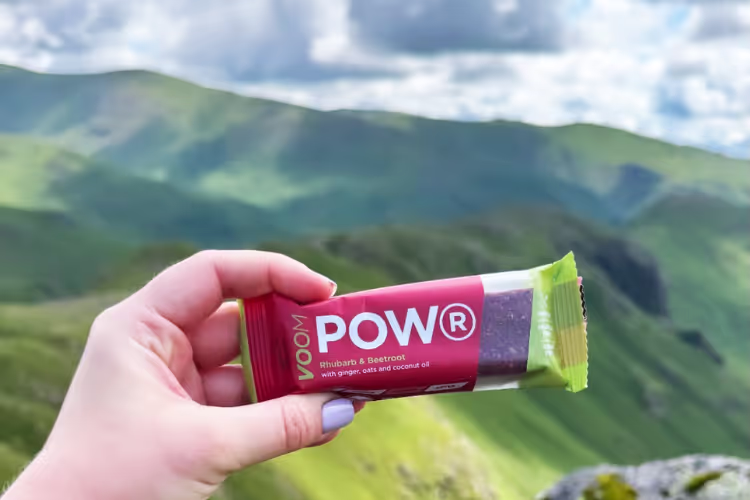
Work out your exact numbers with VOOM's free calculators:
Rather than guessing, you can get a personalised plan based on your body weight, session duration, and intensity using VOOM Nutrition's free calculators:
- Carbohydrate Calculator – your carbs-per-hour target and whole-session fuelling totals, adjusted for duration and intensity.
- Electrolyte Calculator – fluid and sodium targets per hour, adjusted for heat, duration and your sweat profile.
- Protein Calculator – your post-session recovery target and ideal carb pairing for the 30-minute recovery window.
- Nitrate Calculator – a loading protocol if you want to explore dietary nitrate for muscle efficiency in the build-up.
- Bicarb Calculator – more relevant to shorter, high-intensity efforts, but useful if you're combining the Series with other race types.
You can find the full set** here!**
Get your numbers, test your plan on Lake District terrain in training, and you'll head to Keswick with one less thing to worry about on race weekend. If you'd like to try what is on the aid station, use 13V for a FREE Taster Pack here!